The Pickleball Economy: Who's Making Money in PH's Fastest Growing Sport
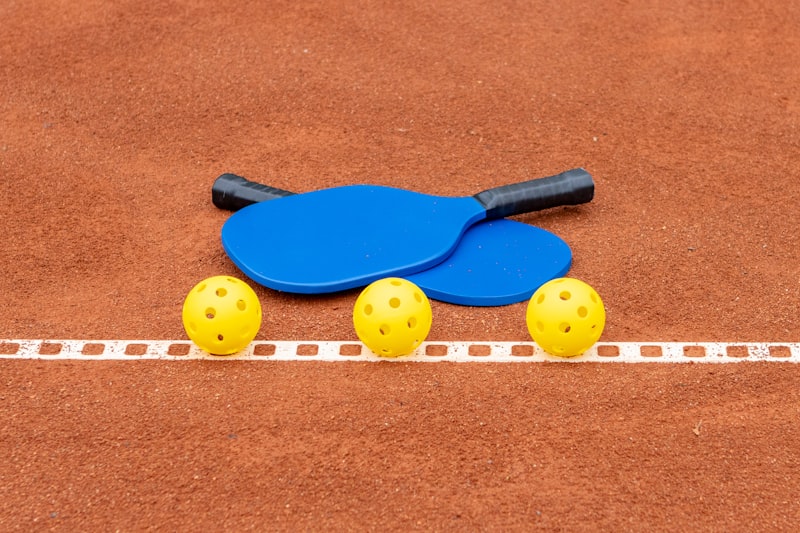
Who is making money from pickleball in the Philippines? Everyone in the value chain — from court owners and equipment importers to coaches, tournament organizers, and content creators. This article maps the entire pickleball economy so you can see where you fit in.
The Big Picture
With 100,000+ players, 500+ courts, and 300+ clubs nationwide, Philippine pickleball has crossed the threshold from hobby to industry. The total addressable market for pickleball-related goods and services in the PH is estimated at P500M-P1B annually and growing at 50-100% year over year.
Who's Making Money
1. Court Owners
Revenue: P50,000-P200,000/month per 2-court facility. Payback: 12-24 months. Best locations: Metro Manila, Cebu, CDO, Davao.
2. Equipment Importers and Retailers
Margins: 30-100%. Top sellers: paddles (P3,000-P5,000 sweet spot), Franklin X-40 balls, court shoes. Distribution via Shopee, Lazada, and onsite kiosks.
3. Coaches and Trainers
Earnings: P30,000-P150,000/month. Certification through PPF, DUPR, or IPTPA. Rates: P800-P2,500/hour for private sessions.
4. Tournament Organizers
Revenue per event: P150,000-P500,000+ from registration, sponsorships, and vendor fees. Key players: SM Active Hub, Toby's Sports, PPF.
5. Content Creators
Earnings: P5,000-P30,000 per sponsored post. Platforms: TikTok, YouTube, Instagram, Facebook. Growth rate for PH pickleball content: 200%+ year over year.
6. Real Estate Developers
Adding pickleball courts to subdivisions, condos, and mixed-use developments increases property value and buyer interest. A pickleball court costs 1/10th of a tennis court but serves 2-3x more players per hour.
Where the Market is Headed
The next 12-18 months will bring: dedicated pickleball facilities (not converted tennis/badminton courts), more brand sponsorships (sports brands, beverage companies), pickleball academies and training centers, and international tournaments hosted in the PH. The ecosystem is still in its early stages — there has never been a better time to get involved.